
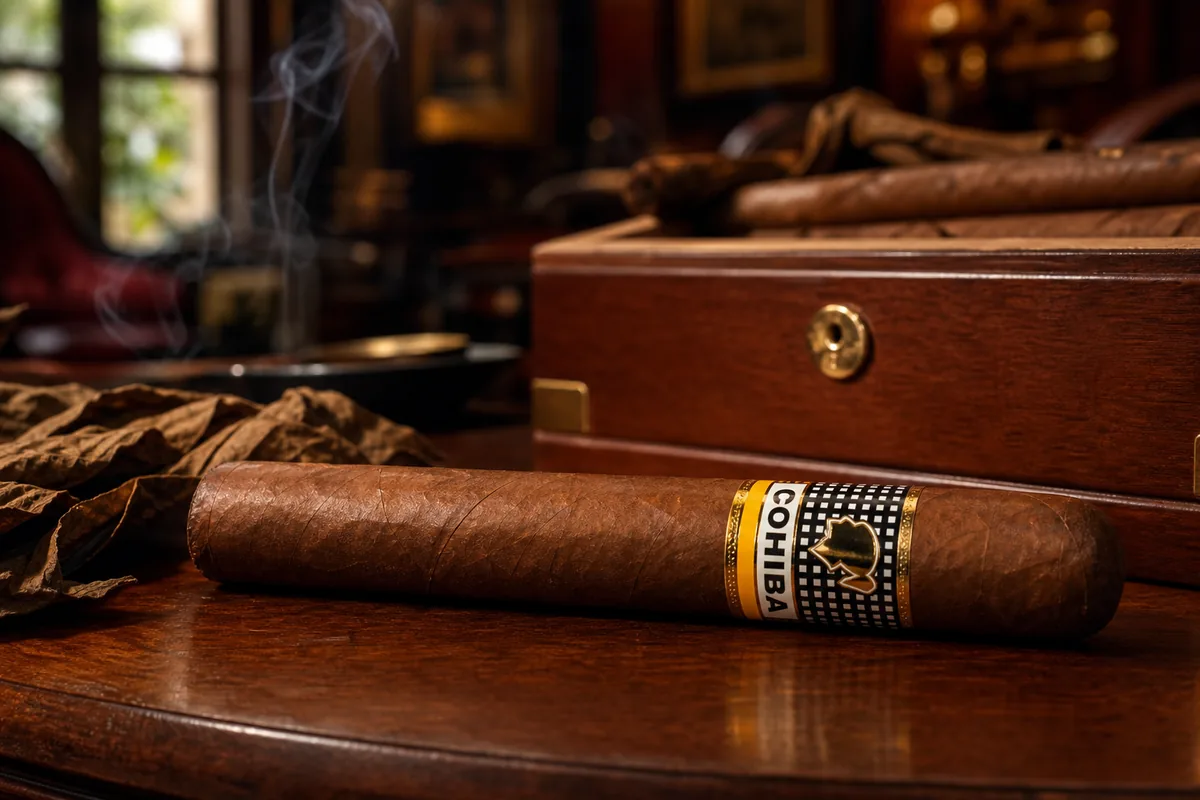
The Story of Cohiba
Cohiba is arguably the most famous cigar name in the world, and its story is unusual: it did not begin as a commercial product at all. It started in the 1960s as a private Cuban label, closely associated with Fidel Castro and the country's diplomatic circles, and only later became the luxury brand recognized everywhere today. There is also a crucial twist that confuses many smokers: there are actually two different Cohibas, and knowing the difference protects you from disappointment and from fakes.
A cigar that was not for sale
According to the widely repeated account of its origins, Cohiba emerged in the 1960s as a special cigar made for Fidel Castro and, in time, as a gift cigar for visiting dignitaries and diplomats. In its early years it was not sold to the public. It functioned as a symbol of Cuban prestige, something handed out rather than purchased, which only deepened its aura once people learned it existed. The name itself is drawn from a Taino word connected to tobacco, tying the brand back to the island's indigenous roots.
From private label to global brand
Over time Cohiba was commercialized and released to the wider market, eventually becoming the flagship premium brand distributed internationally through Cuba's state cigar organization, Habanos. What had been an exclusive diplomatic cigar became a globally marketed luxury product, complete with celebrated lines and a reputation for high prices. That journey, from secret gift to status symbol, is a large part of why the name carries such weight. For the broader background on the Cuban industry, see what are Cuban cigars.
The two Cohibas
Here is the point that trips up buyers. There are two legitimate but separate Cohiba brands in the world:
- Cuban Cohiba (Habanos): made in Cuba and sold through Habanos in most markets outside the United States. This is the Cohiba tied to the historical story above.
- Cohiba for the US market: a separate, non-Cuban Cohiba produced for the United States, associated with General Cigar. It is made outside Cuba, typically with tobacco from countries such as the Dominican Republic, and is a legitimate product in its own right, not a counterfeit.
This split exists because of the trademark and market situation created after the Cuban industry was nationalized and the US embargo took hold. The result is that a "Cohiba" bought legally in the United States is generally the non-Cuban version, while a "Cohiba" in Europe or elsewhere is typically the Cuban one. Neither is fake. They are simply different cigars sharing a name in different markets.
Why fakes love this name
Because Cohiba is so famous and so expensive, especially the Cuban line, it is one of the most counterfeited cigar brands on earth. Fake Cuban Cohibas are extremely common, often sold to tourists at prices that seem too good to be true, because they are. If you are ever buying a Cuban Cohiba, treat authentication as essential rather than optional. Our guide on Cuban cigar authenticity and how to spot fakes walks through the practical checks.
The takeaway
Cohiba's power as a name comes from its origin as something you could not buy, a cigar of the Cuban state and its guests. That exclusivity, combined with heavy marketing and genuine quality, made it iconic. Just remember the two-brand reality and the counterfeit risk, and the Cohiba story becomes far less confusing.
Frequently asked questions
Is the Cohiba sold in the US a fake Cuban cigar?
No. The Cohiba legally sold in the United States is a legitimate non-Cuban brand associated with General Cigar, made outside Cuba. It simply shares the name with the Cuban Habanos Cohiba because of how trademarks split across markets.
Why is Cohiba so expensive?
The Cuban Cohiba combines historical prestige, its origin as an exclusive diplomatic cigar, strong branding, and genuine quality. Scarcity and status, more than production cost alone, drive much of its price.
How do I know if a Cuban Cohiba is real?
Be cautious, since Cohiba is among the most counterfeited cigars. Buy from reputable sources, be skeptical of bargain prices, and check packaging and markings. See our guide on spotting fake Cuban cigars for the details.
Community tasting notes
No community notes yet. Be the first to share how this smoked for you.
Log in to share your tasting notes and photos.