
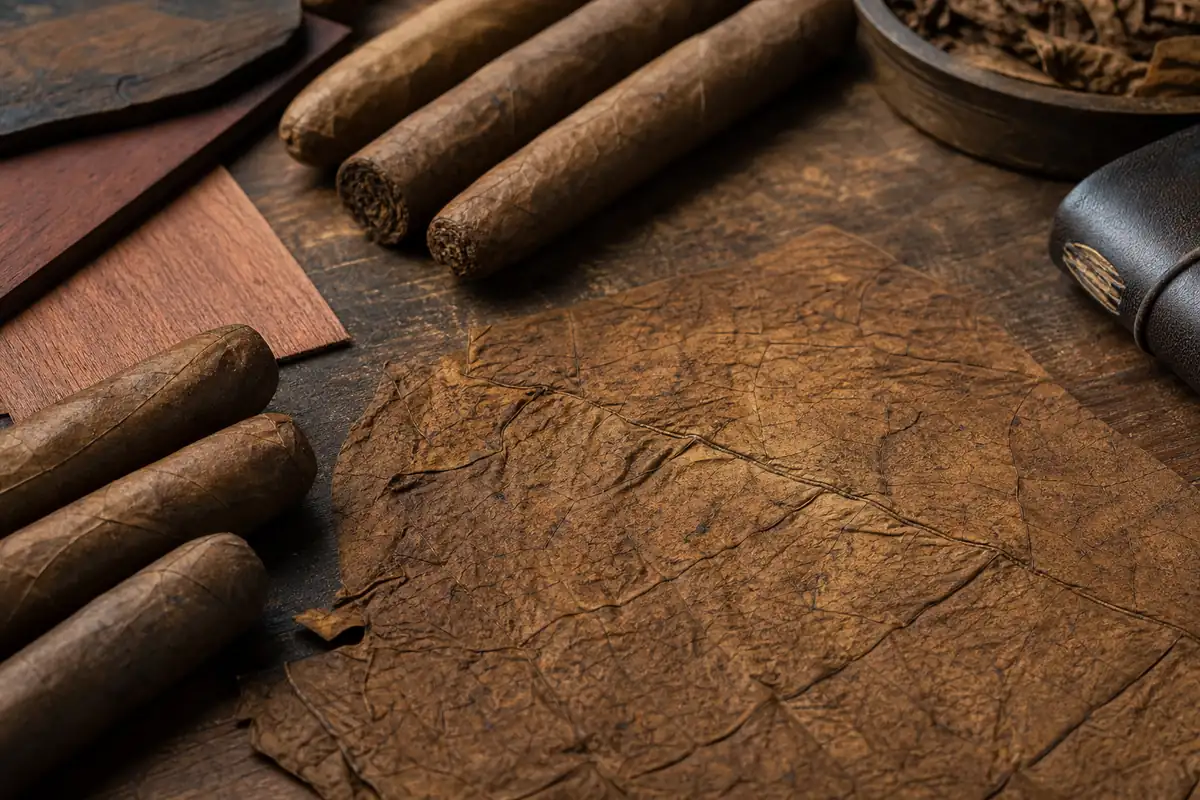
Cameroon Wrapper Tobacco: Toothy and Complex
Cameroon Wrapper Stands Apart From Every Other Leaf in Your Humidor
Pick up a cigar wrapped in Cameroon tobacco and you'll notice something immediately — the texture. It's rough, grainy, almost bumpy under your fingers. Cigar people call this "tooth," and Cameroon wrapper has more of it than any other premium wrapper leaf. That tooth isn't cosmetic. It's a direct result of where and how this tobacco grows, and it signals a flavor experience you won't find from Ecuador, Connecticut, or Nicaragua.
Where Cameroon Wrapper Actually Grows
Cameroon wrapper tobacco comes from a narrow growing region in the East Province of Cameroon, primarily around the Bertoua area and extending toward the border with the Central African Republic. The operations are small compared to Dominican or Nicaraguan farms — we're talking about scattered plots rather than industrial plantations.
The soil is laterite — iron-rich red clay that drains quickly in tropical rains but retains mineral content. Combined with equatorial sun, high humidity (80-90% year-round), and temperatures that rarely drop below 70°F, the growing conditions push the tobacco plant to develop thick cell walls and prominent veins. That's the tooth you feel.
The region sits about 2,200 feet above sea level on a plateau that catches both Atlantic moisture from the west and drier continental air from the east. This tension between wet and dry creates stress on the plants that concentrates flavor compounds in the leaves — similar to how drought-stressed grapes produce more intense wine.
The Seed and Its History
Cameroon wrapper descends from Sumatra seed — Indonesian tobacco genetics brought to Africa by European colonizers in the late 19th century. The French colonial administration established experimental tobacco plots in what was then French Cameroun in the 1930s, selecting for wrapper-quality leaves that could serve the European cigar market.
Over nearly a century of cultivation in African soil, the original Sumatra genetics diverged significantly. Modern Cameroon wrapper is its own thing. It doesn't taste like Sumatra anymore. The terroir rewrote the leaf's expression completely — heavier body, more spice, deeper sweetness, and that trademark rough texture that Sumatra's silky leaves never show.
Today, the Meerapfel family (through their Cameroon Tobacco company) and a few other operators manage most of the commercial production. Annual yields are limited — perhaps 2-3 million pounds of wrapper-grade leaf in a good year, compared to tens of millions from Ecuador or Connecticut.
The Flavor Profile: What Tooth Tastes Like
Cameroon wrapper delivers a distinctive combination that experienced smokers recognize immediately:
- A dry, cedary sweetness — less sugary than Ecuador Habano, more like aged wood
- White pepper spice that hits the tip of the tongue and the retrohale
- Tangy, almost citrusy brightness underneath the earth tones
- Musty, barnyard undertones that sound unappealing but add depth
- A finish that dries the palate pleasantly, like black tea
The texture contributes to flavor delivery too. Tooth creates microscopic peaks and valleys on the leaf surface that increase surface area. More surface area means more combustion products reaching your palate with each draw. Cameroon wrappers tend to be more flavorful puff-for-puff than smoother alternatives.
Why Cameroon Wrapper Is Harder to Find
Several factors limit Cameroon wrapper availability:
Low yield per acre. The growing conditions produce flavor intensity at the expense of volume. Plants are smaller, leaves narrower, and a higher percentage gets rejected during sorting for tears, holes, or inconsistent color.
Political and logistical challenges. Cameroon's infrastructure makes transporting tobacco from inland farms to export ports expensive and unreliable. Roads in the East Province are unpaved and impassable during rainy season. This adds cost and time that ultimately reaches the consumer.
Labor-intensive processing. Cameroon leaves are more fragile than they look despite their toothy appearance. The raised veins crack easily during rolling if the leaf isn't perfectly conditioned. Factories using Cameroon wrapper report higher waste rates, which means higher prices for finished cigars.
Crop unpredictability. Unlike the stable climate of Ecuador, Cameroon's weather patterns can shift year to year. A bad rainy season can wipe out significant portions of the crop. There's no irrigation infrastructure as a backup — it's rain-fed agriculture in an unpredictable climate.
Notable Cigars Wrapped in Cameroon
When you want to taste Cameroon wrapper at its best, reach for these:
- Arturo Fuente Hemingway series — the classic Cameroon cigar, where the wrapper's spice and cedar balance Dominican filler beautifully
- Don Carlos by Arturo Fuente — aged Cameroon over Dominican long-filler, showing what time does to this leaf
- Ashton Cabinet Selection — lighter-bodied Cameroon that highlights the citrus and tea notes
- Brickhouse by J.C. Newman — a value option that still showcases genuine Cameroon character
- H. Upmann Vintage Cameroon — medium body, letting the wrapper speak without competition from powerful fillers
How Cameroon Compares to Similar Wrappers
Cameroon vs. Connecticut Shade
Connecticut Shade is everything Cameroon isn't — smooth, mild, creamy, and delicate. Where Cameroon dries the palate, Connecticut moistens it. Where Cameroon pushes spice, Connecticut offers butter. They're opposite expressions of wrapper tobacco. If you find Connecticut too bland, Cameroon is likely your speed.
Cameroon vs. Ecuador Habano
Ecuador Habano is sweeter, oilier, and more universally crowd-pleasing. Cameroon is drier, spicier, and more polarizing. The Ecuador Habano guide covers why that wrapper dominates the market — Cameroon is for smokers who want something the market doesn't push as aggressively.
Cameroon vs. Sumatra (Indonesian)
Despite shared genetic origins, modern Cameroon and Sumatra wrappers taste very different. Sumatra is silky smooth, darker, with dried fruit and dark spice. Cameroon is rough, bright, with citrus and dry cedar. The African terroir took Sumatra seed and made something completely new over 90 years of adaptation.
The Curing and Fermentation Difference
Cameroon tobacco is typically air-cured in open-sided barns where tropical breezes move through the leaves. The high ambient humidity means curing takes longer — sometimes 60-75 days compared to 45-60 for other origins. This extended cure allows slow enzymatic breakdown of chlorophyll and starches into sugars and amino acids.
Fermentation runs shorter than many other wrapper tobaccos. The leaf's natural intensity means it doesn't need as much fermentation processing to develop flavor — it arrives from the field already concentrated. Over-fermenting Cameroon risks flattening its distinctive brightness into generic earthiness. Good processors know to stop fermentation before the tangy, spicy character disappears.
Aging after fermentation matters enormously. Fresh Cameroon wrapper can be harsh and one-dimensional. Aged 3-5 years, it develops the layered complexity that makes cigars like the Don Carlos special. Arturo Fuente is known for sitting on Cameroon inventory for years before using it — a luxury that smaller manufacturers can't always afford.
Identifying Cameroon Wrapper by Sight and Touch
You can spot Cameroon wrapper before you light up:
- Color: Medium brown with reddish-golden undertones. Less uniform than Connecticut or Ecuador — you'll see slight color variation across the leaf
- Texture: Noticeably rough. Run your thumb along the cigar and you'll feel bumps and raised veins. This is tooth.
- Sheen: Matte to slightly oily. Not the high-gloss shine of Ecuador Habano or the satin finish of Connecticut Broadleaf
- Veins: Prominent and visible. They don't lay flat the way they do on smoother wrappers
If a cigar feels like fine sandpaper under your fingertips and shows a warm reddish-brown tone, you're probably holding Cameroon.
Is Cameroon Wrapper Worth Seeking Out?
If you've been smoking mainly Ecuador Habano and Nicaraguan-wrapped cigars, Cameroon offers a genuine change of pace. It's not better or worse — it's different in a way that expands your palate reference points. The dry spice, the tangy brightness, the textural experience of toothy leaf burning — these are sensations other wrappers simply don't provide.
Start with an Arturo Fuente Hemingway Short Story if you want a quick introduction, or a Don Carlos Robusto if you want the full experience at length. Pay attention to how the wrapper dries your palate between puffs and how the spice moves from the front of your tongue to the retrohale as the cigar progresses. Then compare to something like an Ecuador Habano-wrapped cigar to lock in the difference. Once you know Cameroon, you'll spot it blind in any lineup.
Frequently asked questions
Why does Cameroon wrapper feel rough compared to other cigars?
The rough texture called 'tooth' results from iron-rich soil and high-stress equatorial growing conditions that cause thick cell walls and prominent veins in the leaf. This isn't a defect — it's a hallmark of genuine Cameroon wrapper and contributes to concentrated flavor delivery.
Is Cameroon wrapper strong?
Cameroon wrapper is medium in strength but high in flavor intensity. It won't hit you with heavy nicotine, but it delivers more spice, complexity, and palate sensation than milder wrappers like Connecticut Shade. The flavor-to-strength ratio is part of what makes it distinctive.
Why are Cameroon-wrapped cigars more expensive?
Limited crop yields, high rejection rates during sorting, fragile handling requirements, and costly African logistics all drive prices up. Add multi-year aging by top manufacturers like Arturo Fuente, and the per-leaf cost rises significantly above more available wrappers.
Community tasting notes
No community notes yet. Be the first to share how this smoked for you.
Log in to share your tasting notes and photos.